An Introduction to AI: What Is It?
Introduction
Technology is changing how we live and work, and one question often asked is An Introduction to AI. Whether you use voice assistants, streaming platforms, or online shopping, AI is already part of your daily routine. When we look at An Introduction to AI, we discover how machines learn, adapt, and make intelligent decisions that support people and businesses.
Exploring An Introduction to AI helps us understand its potential, from simplifying everyday tasks to driving innovation in healthcare, education, and entertainment. For audiences in the UK and USA, AI is not a distant concept—it is a tool shaping modern lifestyles, influencing industries, and creating new opportunities. Let’s break it down in a clear and approachable way.
What Is AI?
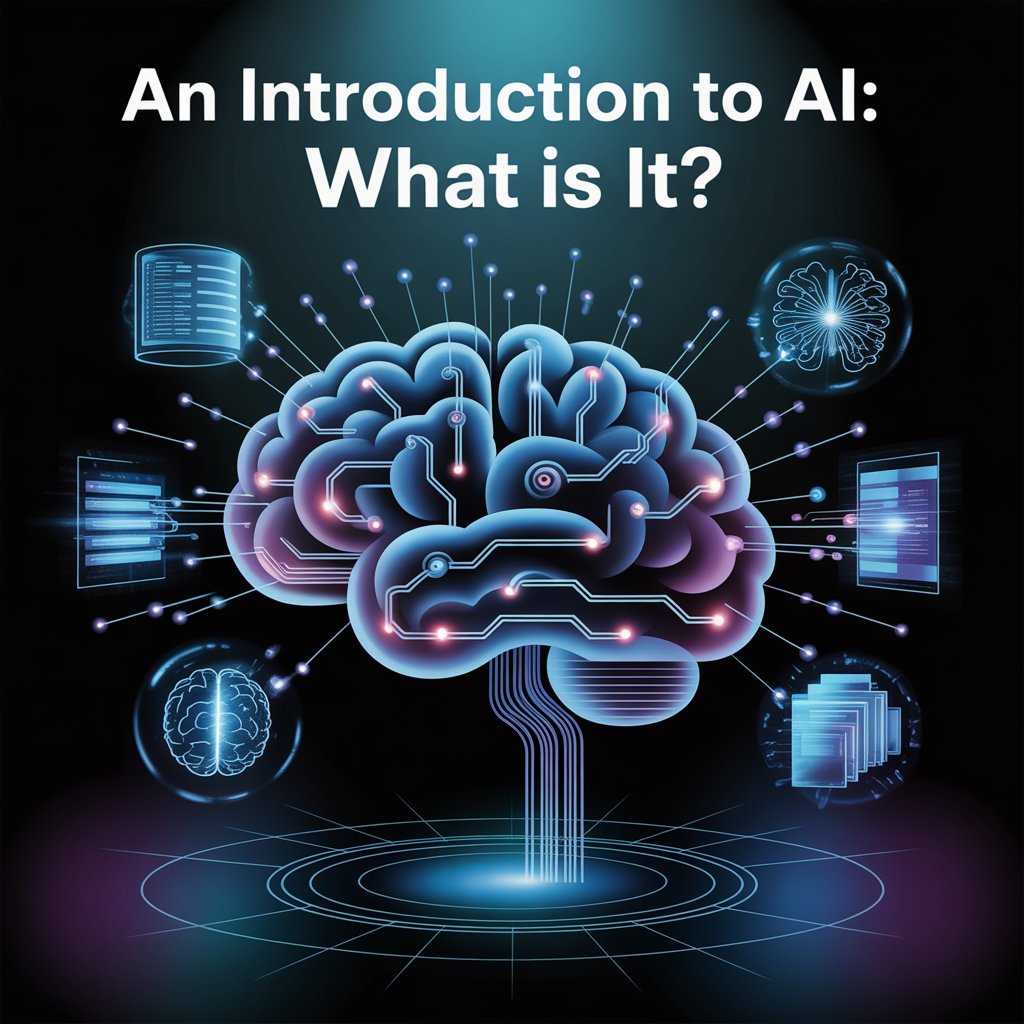
Artificial Intelligence, or AI, is the science of building machines and systems that can think, learn, and act in ways similar to humans. Instead of following fixed instructions, AI uses data and algorithms to recognize patterns, solve problems, and make predictions. This ability allows it to improve performance over time and adapt to new challenges.
How Does AI Work?
-
Data Collection: AI gathers information from text, images, videos, and sensors.
-
Processing: Algorithms analyze the data to find patterns and relationships.
-
Learning: AI systems adjust and improve using techniques like machine learning and deep learning.
-
Decision Making: Based on the analysis, AI suggests actions, predictions, or solutions.
This step-by-step process allows AI to power everything from chatbots to self-driving technology.
An Introduction to AI: What Is It?
Applications in the UK & USA
-
Healthcare: Hospitals use AI to assist in medical imaging, early diagnosis, and patient monitoring.
-
Retail: Stores in the UK and USA apply AI for personalized shopping, demand forecasting, and checkout automation.
-
Finance: Banks rely on AI to detect fraud, analyze credit, and provide customer support.
-
Education: Schools adopt AI-powered tools for personalized learning and student engagement.
-
Transport: Cities use AI to optimize traffic flow, improve safety, and support autonomous vehicle research.
Businesses and institutions across both countries continue to invest in AI to improve efficiency, reduce costs, and enhance user experience.
Challenges of AI
-
Bias: AI reflects the quality of its training data, which may carry hidden biases.
-
Privacy: Handling sensitive data raises concerns about security and trust.
-
Employment Shifts: Automation may change job roles, requiring reskilling.
-
Complexity: Advanced systems demand high computing power and resources.
An Introduction to AI: What Is It?
Why AI Matters
AI helps simplify life by powering tools people in the UK and USA already use daily—smartphones, digital assistants, and streaming recommendations. For industries, it improves decision-making, reduces risks, and drives growth. With continued adoption, AI promises to balance convenience, innovation, and responsibility in shaping the future.
Conclusion
Artificial Intelligence transforms how people live, work, and connect. By collecting and processing data, AI learns and makes decisions that impact healthcare, retail, finance, education, and transport. In the UK and USA, its influence continues to expand, offering opportunities while raising questions about fairness, privacy, and ethics. Understanding AI helps us prepare for a future where intelligent systems play an even greater role in everyday life.
Recommendation
If you want to explore AI, start small with free online courses that cover the basics of machine learning and data science. Experiment with simple tools such as chatbots or predictive models to see AI in action. For professionals in the UK and USA, consider reskilling in areas where AI is driving change, such as healthcare analytics, financial technology, or smart mobility. Stay aware of ethical concerns, including fairness, transparency, and privacy. By learning step by step, you can build practical knowledge and prepare for opportunities in an AI-powered world.
Frequently Asked Questions
Q1: What is the main purpose of AI?
AI helps machines learn and make decisions that improve efficiency and accuracy in tasks.
Q2: How is AI used in daily life?
It powers smartphones, streaming recommendations, voice assistants, and smart home devices.
Q3: Can AI replace human jobs completely?
AI changes how jobs are done but also creates new roles that need human skills.