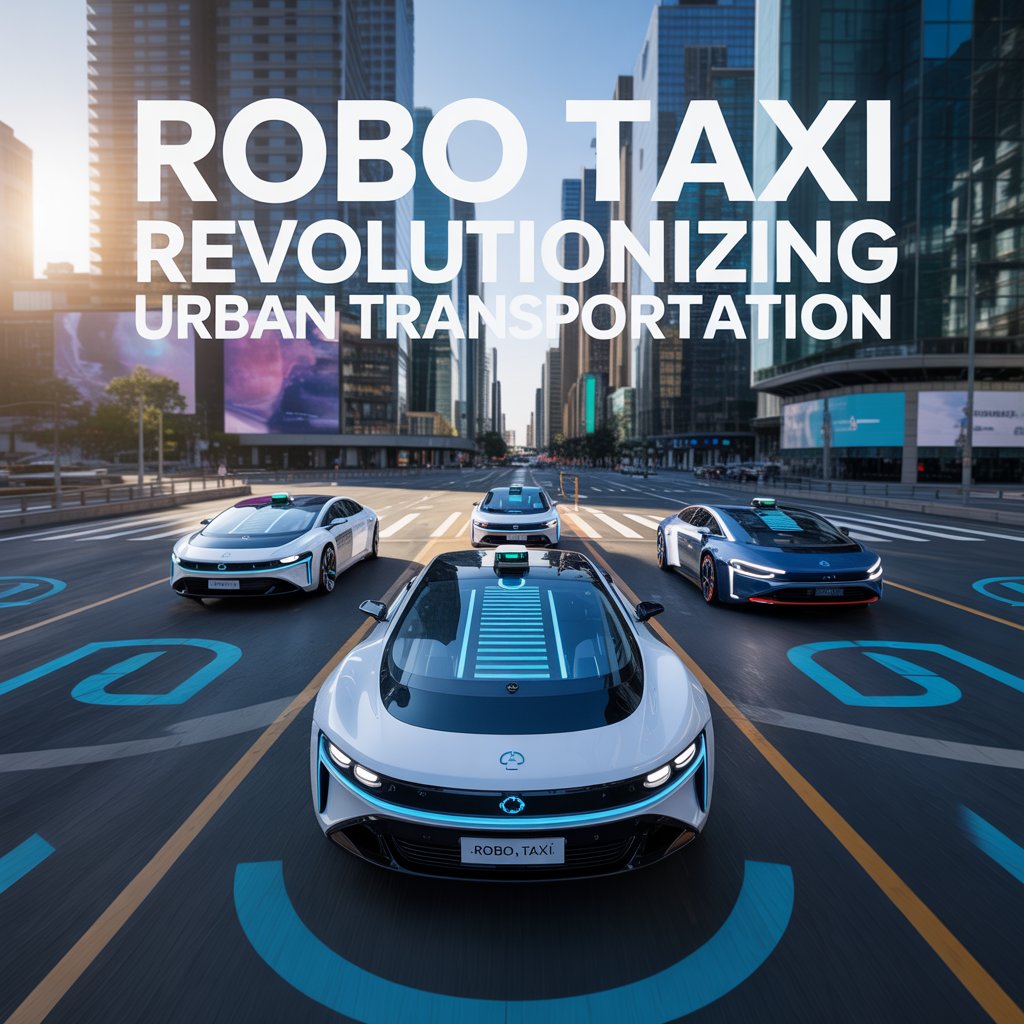
Robo Taxi: Revolutionizing Urban Transportation
Introduction
Robo-taxi technology is transforming daily travel across Singapore, Dubai, the USA, and the UK as self-driving services move rapidly from test lanes to real city streets. Many people in the UK and USA now hear the term “robotaxi” and wonder when they’ll be able to ride in one, whether it’s safe, and how it compares to traditional taxis and rideshare apps. With major companies investing billions into autonomous systems and governments expanding smart-city infrastructure, the rise of RoboTaxi services is shaping a new era of transport. This guide breaks everything down in clear, simple English—how the tech works, where the rollout is happening first, how it impacts daily travel, and why experts believe autonomous taxis will soon become one of the safest, most affordable transport options for everyday riders.
How Autonomous Taxi Technology Works
Advanced AI, Sensor Fusion, and Continuous Learning
Robo taxis use AI systems that process information faster than human reflexes. They scan roads in a full 360 degrees, learn from fleet data, and update their driving decisions automatically. This shared learning allows one vehicle’s experience to improve the safety of the entire fleet across Singapore, Dubai, the USA, and the UK.
LiDAR, Radar, and Camera Integration
Every robotaxi combines sensors to ensure redundancy. If one sensor becomes blocked by rain, dust, or fog, others continue operating smoothly. This multi-layered safety system reduces errors and strengthens reliability, especially in busy urban environments like London, New York, and Dubai.
Real-Time Mapping and Traffic Coordination
High-definition maps update continuously through wireless networks. These maps include curb heights, lane widths, and temporary road changes. In the UK and USA, this allows autonomous cars to adapt instantly to congestion alerts, construction zones, and emergency events.
Country-by-Country Rollout: Singapore, Dubai, the USA, and the UK
Singapore—Global Pioneer
Singapore continues to lead with strict autonomous regulations, dedicated testing districts, and government-tech partnerships that fast-track innovation. Its early adoption gives companies real-world data from one of the most advanced cities on Earth.
Dubai—Smart City Vision
Dubai uses robotaxis as a major part of its smart-city strategy. Zones around the Marina, Downtown, and Business Bay are designed for high-volume tourist rides. Vehicles are equipped for extreme heat, sandstorms, and desert conditions.
USA – Fastest Commercial Growth
The USA sees the most commercial activity, especially in cities like San Francisco, Phoenix, Austin, and Las Vegas. Due to flexible state-level laws, many autonomous brands—tech giants and startups—compete aggressively to dominate the national market.
UK – Safe, Controlled Adoption
The UK focuses on safety-first deployment with gradual testing across cities like London, Coventry, and Milton Keynes. Integration with London’s complex transport system makes the UK a unique testing ground for global developers.
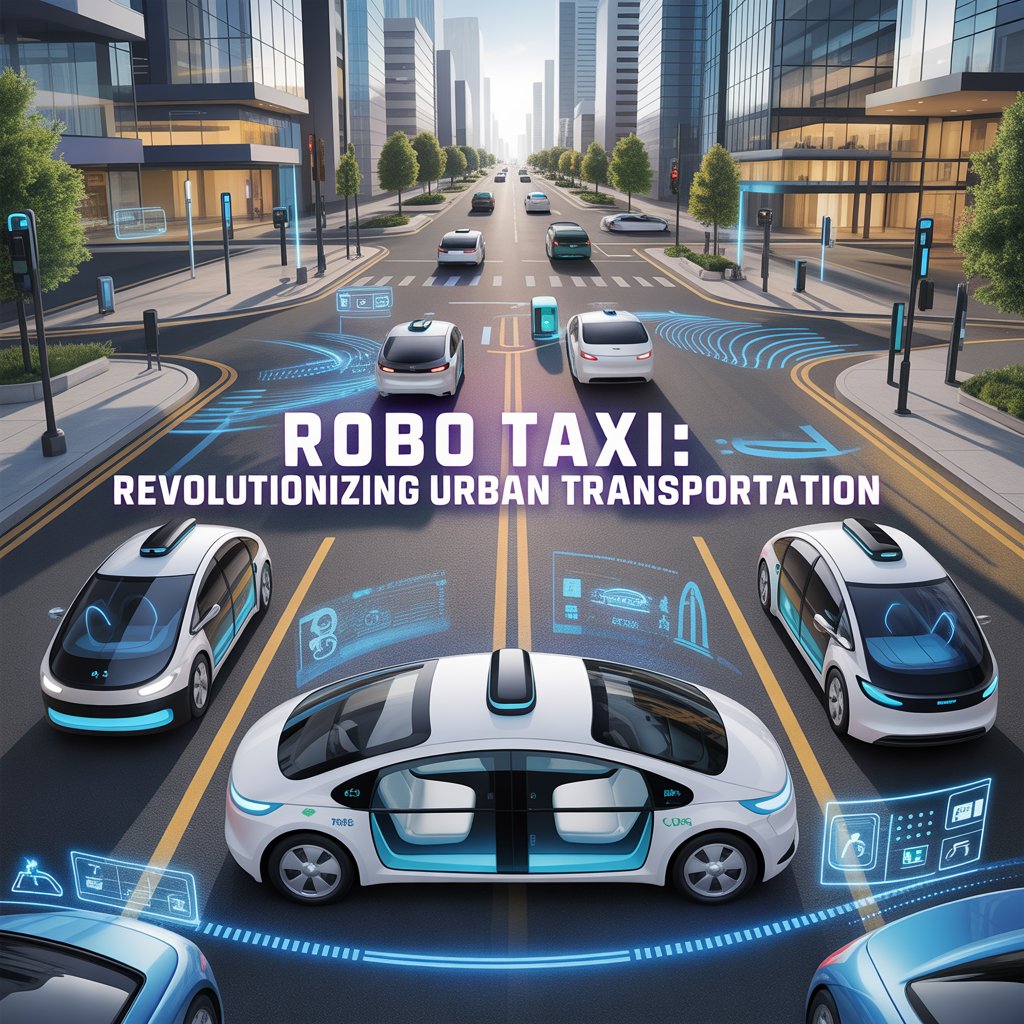
Robo Taxi: Revolutionizing Urban Transportation
Economic Benefits for Riders in UK & USA
Lower Fares and No Surge Pricing
Robo-taxi rides cost significantly less than traditional taxis because there is no driver fee. UK and USA users benefit from predictable flat pricing, especially during peak hours or late-night travel when human drivers are limited.
Better Access for Seniors & Disabled Passengers
Vehicles feature voice control, automated ramps, and wheelchair-friendly interiors. This raises accessibility, especially in American suburbs and UK towns where public transit coverage is limited.
Shorter Wait Times
Smart fleet routing reduces wait times to only a few minutes. UK and US commuters get consistent availability even late at night, unlike traditional taxis that often disappear after midnight.
Global Challenges Slowing Full Deployment
Weather Limitations
Snow, rain, sand, and fog affect sensor performance.
• The UK faces heavy rain and fog.
• US cities face snow-covered roads.
• Dubai deals with heat and sandstorms.
• Singapore battles tropical downpours.
Public Trust and Safety Concerns
People worry about malfunctioning systems, hacking, and accident responsibility. Transparent safety reports, public demo rides, and consistent performance help build trust over time.
Infrastructure Gaps
Many cities lack:
• 5G communication networks
• Autonomous-ready intersections
• High-efficiency charging hubs
• Curbside pick-up lanes
Without these upgrades, full robotaxi deployment remains slow and cautious.
Future Opportunities and Global Predictions
Robo-taxis are on track to become a preferred travel method in dense UK cities and large USA metropolitan areas. As sensors improve, maps grow smarter, and infrastructure expands, experts predict autonomous taxis will cut transport costs, reduce traffic collisions, and reshape urban planning. With Singapore leading, Dubai innovating, the USA scaling commercially, and the UK prioritizing safety, the global ecosystem is evolving quickly—and passengers stand to benefit the most.
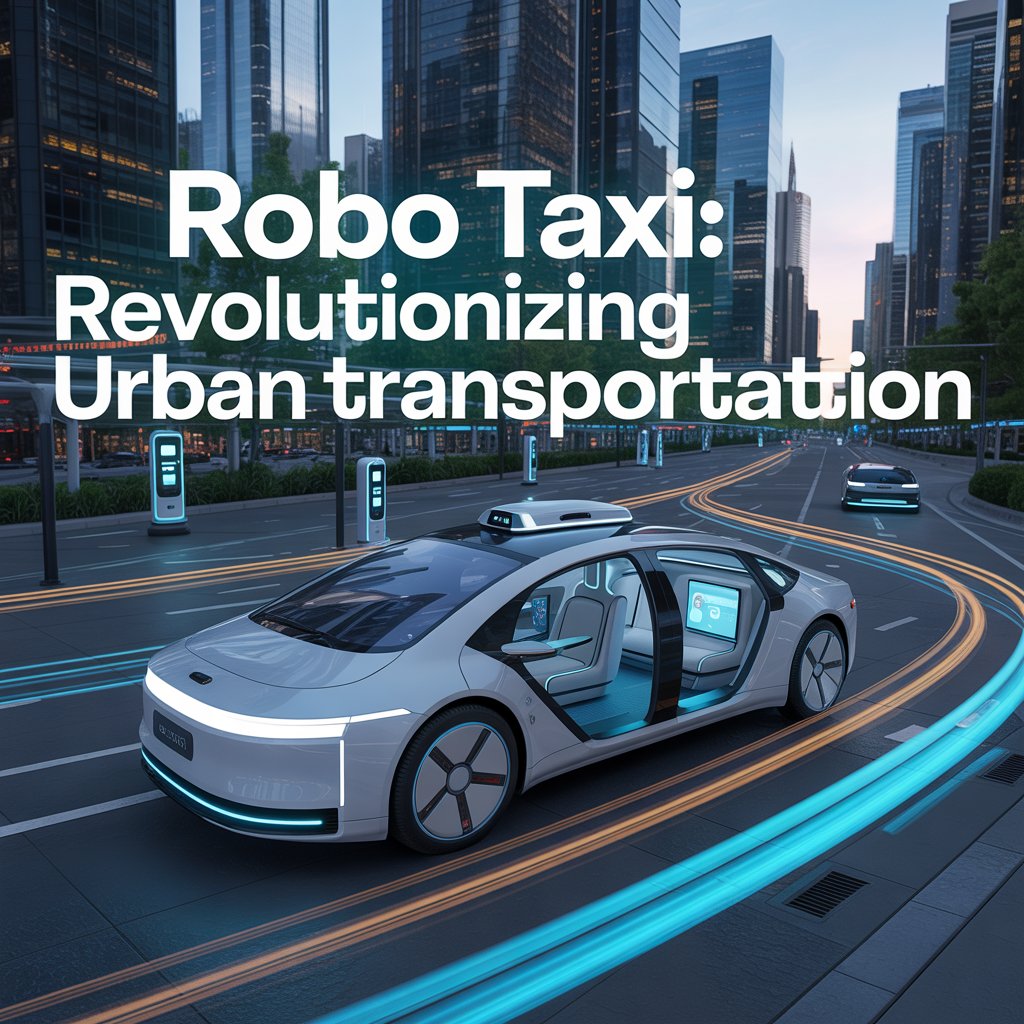
Robo Taxi: Revolutionizing Urban Transportation
Conclusion
Robotaxis are reshaping the global transportation landscape with advanced AI, reliable sensors, and smart-city integration happening across Singapore, Dubai, the USA, and the UK. These systems promise cheaper rides, safer journeys, and accessibility for all passengers. While challenges related to weather, regulations, and public trust still exist, the expansion is accelerating, and autonomous taxis are becoming an everyday reality. The future of mobility is unfolding right now, and robotaxis are at the center of this transformation.
Recommendation
If you’re in the UK or USA, start exploring early access programs and robotaxi pilot zones in major cities. Try taking short rides during non-peak hours to understand how the system behaves. Keep track of updates from city councils and transport departments, as many regions will soon announce expanded autonomous fleets and new travel corridors. For businesses, consider integrating robo-taxi partnerships for staff transport or customer services. Families, commuters, and travelers can benefit most by learning how to use apps, accessibility features, and dynamic pricing options offered by autonomous taxi operators. Staying informed now ensures you’re ready for a future where robo-taxis become a normal part of everyday travel.
Google FAQs
What is a robotaxi?
A robo-taxi is a fully autonomous vehicle that transports passengers without a human driver.
Are robo-taxis safe to ride in?
Yes—robotaxis use advanced sensors and AI that monitor surroundings more consistently than human drivers.
Where can I ride a robotaxi now?
You can ride them in select areas of Singapore, Dubai, the USA, and limited UK trial zones.