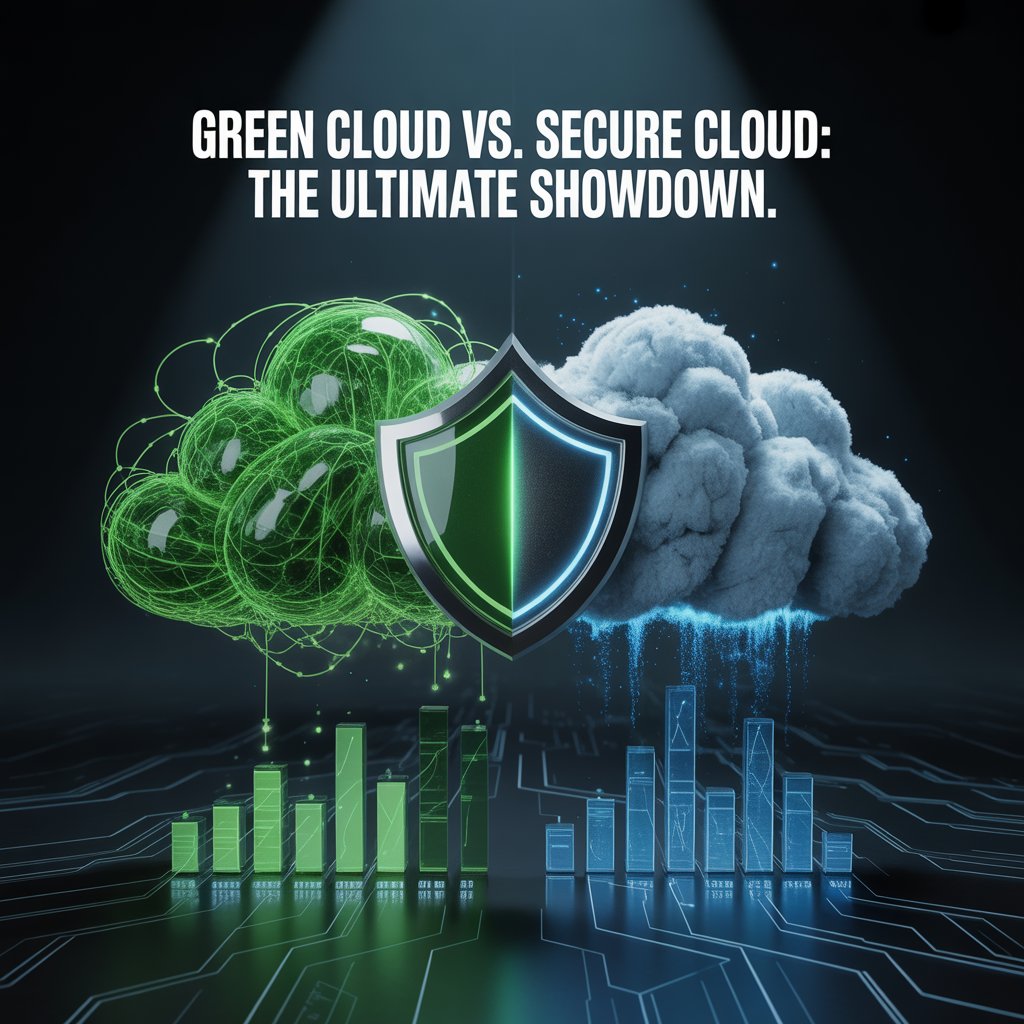
Green Cloud vs. Secure Cloud: The Ultimate Showdown
Introduction
As digital transformation accelerates, organizations in the UK and USA are rethinking their approach to cloud adoption. The debate around Green Cloud vs Secure Cloud highlights the growing need to balance sustainability with strong data protection. Businesses cannot afford to overlook how cloud choices impact both the environment and cybersecurity.
Companies exploring Green Cloud vs Secure Cloud must understand the cost, compliance, and reputational risks linked to poor decisions. At the same time, the conversation around Green Cloud vs Secure Cloud encourages leaders to consider eco-friendly practices that also safeguard sensitive data.
What is Green Cloud Computing?
Green cloud computing is the use of energy-efficient, eco-friendly cloud infrastructure that reduces carbon footprints while maintaining performance. It lowers costs, supports sustainability goals, and helps businesses align with growing environmental expectations.
Green Cloud Computing Benefits
Green cloud computing promotes efficiency without sacrificing performance.
- Energy Savings: Modern data centers use efficient cooling and renewable power, lowering costs.
- Reduced Carbon Footprints: Companies can meet environmental goals while improving brand image.
- Long-Term ROI: Sustainable infrastructure investments pay off over time.
- Customer Trust: Eco-conscious consumers prefer brands that embrace sustainability.
Cloud Security Fundamentals and Risks
Security remains the backbone of reliable cloud adoption.
- Data Protection: Strong encryption and multi-factor authentication safeguard sensitive information.
- Regulatory Compliance: Meeting industry standards strengthens credibility and avoids penalties.
- Unsecure Cloud Risks: Breaches, ransomware, and data leaks harm finances and reputation.
- Continuity Assurance: Secure practices protect business operations from unexpected disruptions.
Green Cloud Implementation Strategies
Transitioning to a green cloud requires thoughtful planning.
- Data Center Selection: Partner with providers using renewable energy and efficient cooling.
- Resource Optimization: Automate workloads to avoid wasted power.
- Performance Tracking: Monitor sustainability progress with reliable reporting tools.
- Balanced Investment: Highlight both cost savings and environmental benefits.
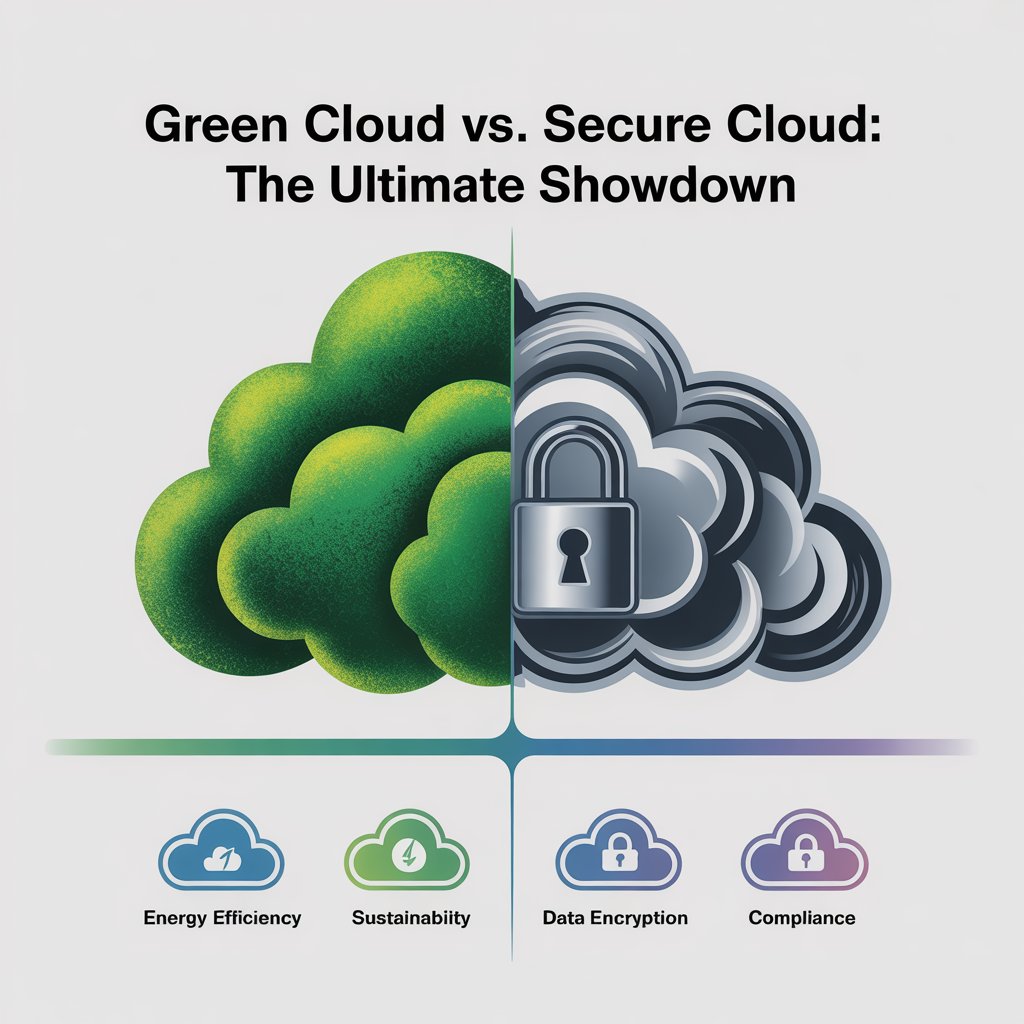
Green Cloud vs. Secure Cloud: The Ultimate Showdown
What is Secure Cloud Computing?
Secure Cloud Computing refers to delivering cloud services with built-in safeguards like encryption, access control, and compliance policies. It ensures data confidentiality, integrity, and availability while protecting businesses from breaches, cyberattacks, and unauthorized access.
Secure Cloud Architecture Design Principles
Security frameworks must be proactive, not reactive.
- Layered Defense: Firewalls, intrusion detection, and real-time monitoring protect against evolving threats.
- Identity & Access Management: Restrict system access to authorized users only.
- Backup & Recovery: Ensure data resilience during system failures or cyberattacks.
- Routine Audits: Frequent assessments expose vulnerabilities before attackers exploit them.
Balancing Sustainability with Security
The healthiest cloud strategy blends eco-friendly practices with strong protection.
- Eco-Security Tools: Use energy-efficient encryption methods and optimized servers.
- Vendor Evaluation: Choose partners who provide green energy solutions alongside robust security certifications.
- Unified Strategy: Align sustainability goals with security policies for a resilient and responsible framework.
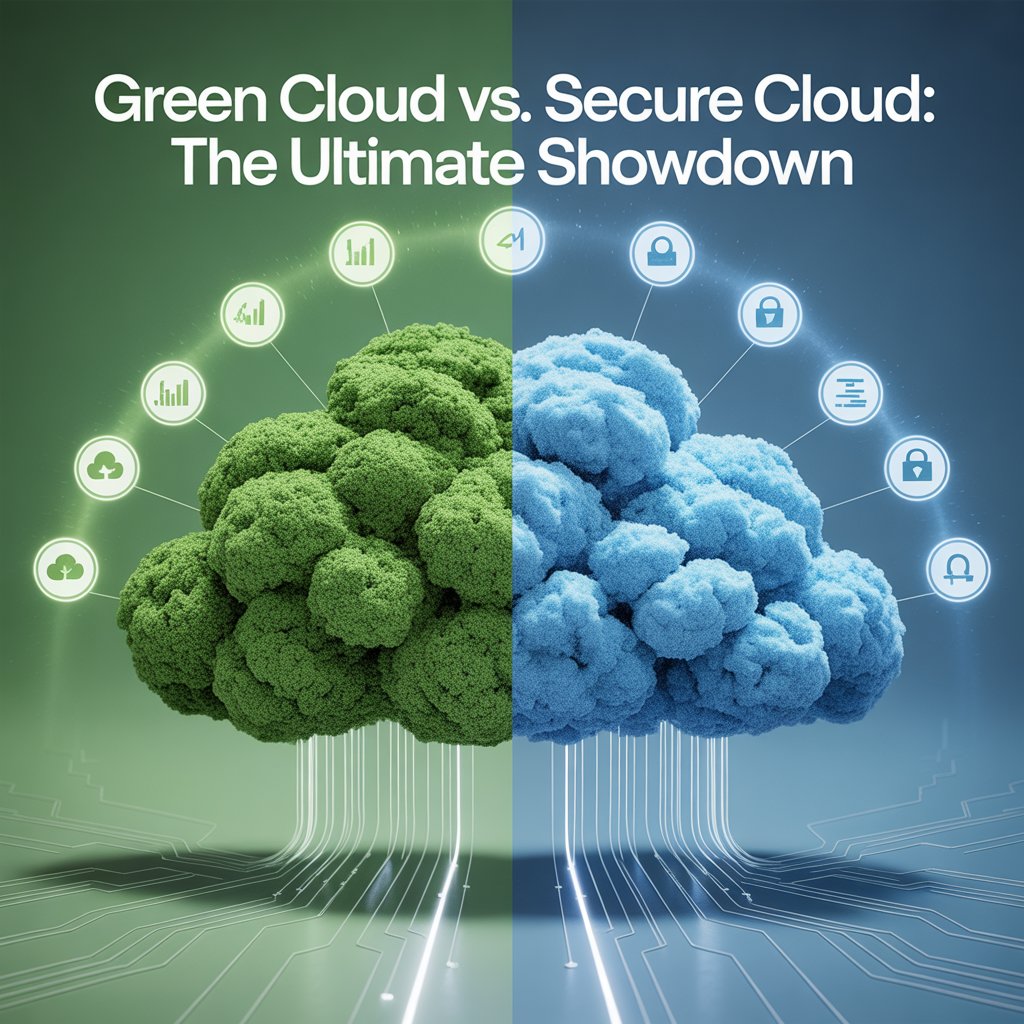
Green Cloud vs. Secure Cloud: The Ultimate Showdown
Conclusion
The future of cloud adoption lies in a healthy balance between sustainability and security. Green cloud practices reduce energy use and emissions, while secure cloud frameworks protect critical data and maintain compliance. Businesses that combine both create stronger resilience, lower costs, and build lasting trust with customers. Ignoring one leaves organizations exposed—either to environmental criticism or cyber threats.
Recommendation
To achieve a healthy cloud strategy:
- Start with a full audit of your current cloud infrastructure.
- Choose providers committed to renewable energy and advanced security standards.
- Implement regular reviews for both sustainability metrics and security risks.
- Train staff to follow eco-friendly and secure practices in daily operations.
- Develop a dual roadmap that balances performance, protection, and sustainability.
Frequently Asked Questions (FAQs)
What makes a cloud solution “green”?
It minimizes energy use and emissions by using renewable power and efficient infrastructure.
Why is unsecure cloud computing risky?
It increases the chance of data loss, breaches, and non-compliance penalties.
Can a company achieve both green and secure cloud adoption?
Yes, many providers now design solutions that combine sustainability with strong security features.