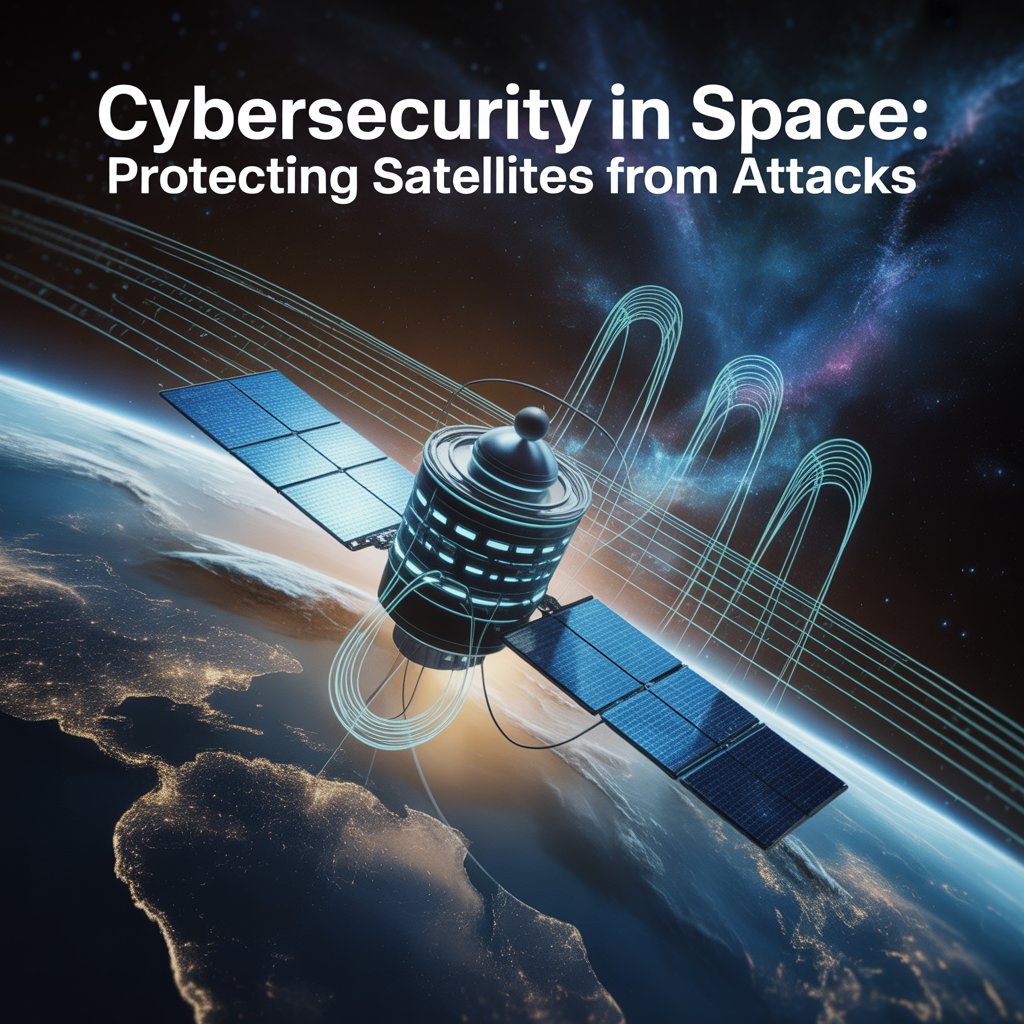
Cybersecurity in Space: Protecting Satellites from Attacks
Introduction
As humanity pushes further into the cosmos, Cybersecurity in Space has become a critical concern. Satellites, space stations, and communication systems are increasingly vulnerable to digital threats, making Cybersecurity in Space essential for protecting sensitive data and mission integrity. From safeguarding satellite networks to ensuring secure communication between Earth and orbit, Cybersecurity in Space is now at the forefront of both technological innovation and global security.
The Growing Threat Landscape in Space
As humanity expands its reliance on space-based systems, the security of satellites has become a front-line concern. From GPS navigation and financial transactions to military communications and weather forecasting, satellites now form part of the world’s critical infrastructure. But with this reliance comes exposure. The once theoretical concept of satellite hacking is now a practical risk, raising urgent questions about the state of cybersecurity in space.
How Satellites Became Critical Infrastructure
What was once the domain of exploration and scientific research has become indispensable to daily life. Banking systems rely on satellite time-stamping, airlines on navigation signals, and militaries on encrypted satellite communications. A successful cyberattack on even a handful of satellites could cause cascading disruptions on Earth.
Recent Cyber Attacks Targeting Space Systems
In recent years, attacks have moved from fiction to reality. In 2022, the Viasat KA-SAT network in Europe suffered a major cyber incident linked to the conflict in Ukraine, disrupting broadband and satellite-based communications. Similar probes and interference attempts have been reported worldwide, signaling that satellites are no longer off-limits for cyber warfare.
The Unique Vulnerabilities of Orbital Assets
Unlike terrestrial networks, satellites cannot be easily patched, replaced, or physically secured once launched. Their long lifespans (often 10–20 years) mean outdated hardware and software often remain in orbit, vulnerable to exploitation.
Nation-State vs. Non-State Threat Actors
Nation-states view satellites as strategic targets, whether for intelligence gathering or disrupting adversaries. Meanwhile, non-state actors, including criminal groups and hacktivists, may target satellites for ransom or political leverage. The world of threats is getting bigger and more complicated.
Satellite Vulnerability Points
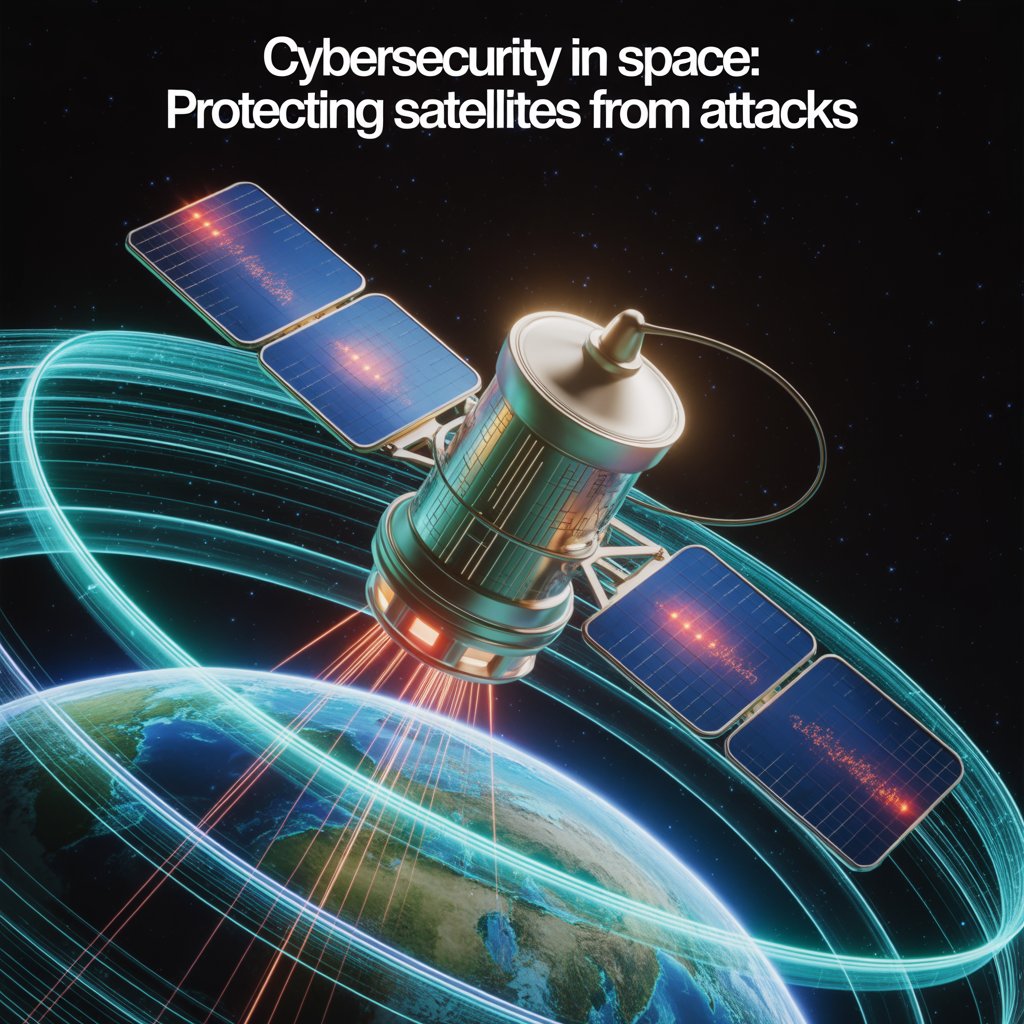
Cybersecurity in Space: Protecting Satellites from Attacks
Communication Uplinks and Downlinks
Signals sent between ground stations and satellites are vulnerable to interception, spoofing, or jamming. Weak encryption or legacy protocols make this risk higher.
Onboard Systems and Firmware
Malicious code inserted into onboard software could alter satellite behavior, disable functions, or even redirect assets. The safety of firmware is really important, but it’s a risk that people often forget about.
Ground Station Infrastructure
Ground stations are the human-operated link to space resources. If a ground station is hacked, it can let attackers take over satellites from afar.
Supply Chain Risks
Satellites are built with components from global supply chains. Hardware Trojans, counterfeit parts, or compromised manufacturing processes can plant vulnerabilities before launch.
Third-Party Service Providers
Commercial satellite operators often outsource parts of their operations. Weak security among vendors or contractors opens indirect access points for attackers.
Current Security Measures for Space Assets
Encryption Protocols
Modern satellites increasingly rely on strong encryption to secure telemetry, tracking, and control (TT&C) communications. End-to-end encryption helps safeguard against interception.
Authentication Mechanisms
Command validation ensures that only authorized entities can issue instructions to satellites. Multi-factor authentication and digital certificates are widely used.
Hardware Hardening
Radiation-hardened and tamper-resistant hardware designs improve resilience, though they add cost and complexity.
Advanced Protection Strategies
Zero-Trust Architecture
Instead of assuming trust between systems, zero-trust principles enforce strict verification at every interaction—ideal for complex space-ground networks.
AI-Powered Anomaly Detection
Machine learning models can detect unusual satellite behavior, signal disruptions, or command anomalies in real-time, enabling faster responses.
Quantum-Resistant Cryptography
With quantum computing on the horizon, traditional encryption could be broken. Quantum-resistant algorithms are being explored to future-proof space cybersecurity.
Autonomous Threat Response
Satellites equipped with onboard autonomy could detect, isolate, and counter cyber threats without relying on delayed commands from Earth.
Regulatory Frameworks and Space Cybersecurity
International Space Law
The Outer Space Treaty and related frameworks address peaceful use of space but provide little guidance on cybersecurity. New legal norms are needed.
Public-Private Partnerships
Because most satellites are commercial, collaboration between governments, space agencies, and private operators is critical for unified defense.
Space Agency Security Standards
NASA, ESA, and new space agencies are creating rules for satellite cybersecurity, which include design, operation, and managing risks.
Certification for Manufacturers
Mandatory certifications for satellite components and systems may become the aerospace equivalent of cybersecurity compliance in other industries.
Real-World Implications of Satellite Breaches
• Critical Infrastructure Disruptions: GPS failures could cripple aviation, shipping, and financial networks.
• Military and Defense Consequences: Loss of secure communications could compromise missions and national security.
• Economic Impacts: A single satellite disruption could cost millions per day in service downtime.
• Privacy Concerns: Compromised Earth observation satellites could expose sensitive imagery or personal location data.
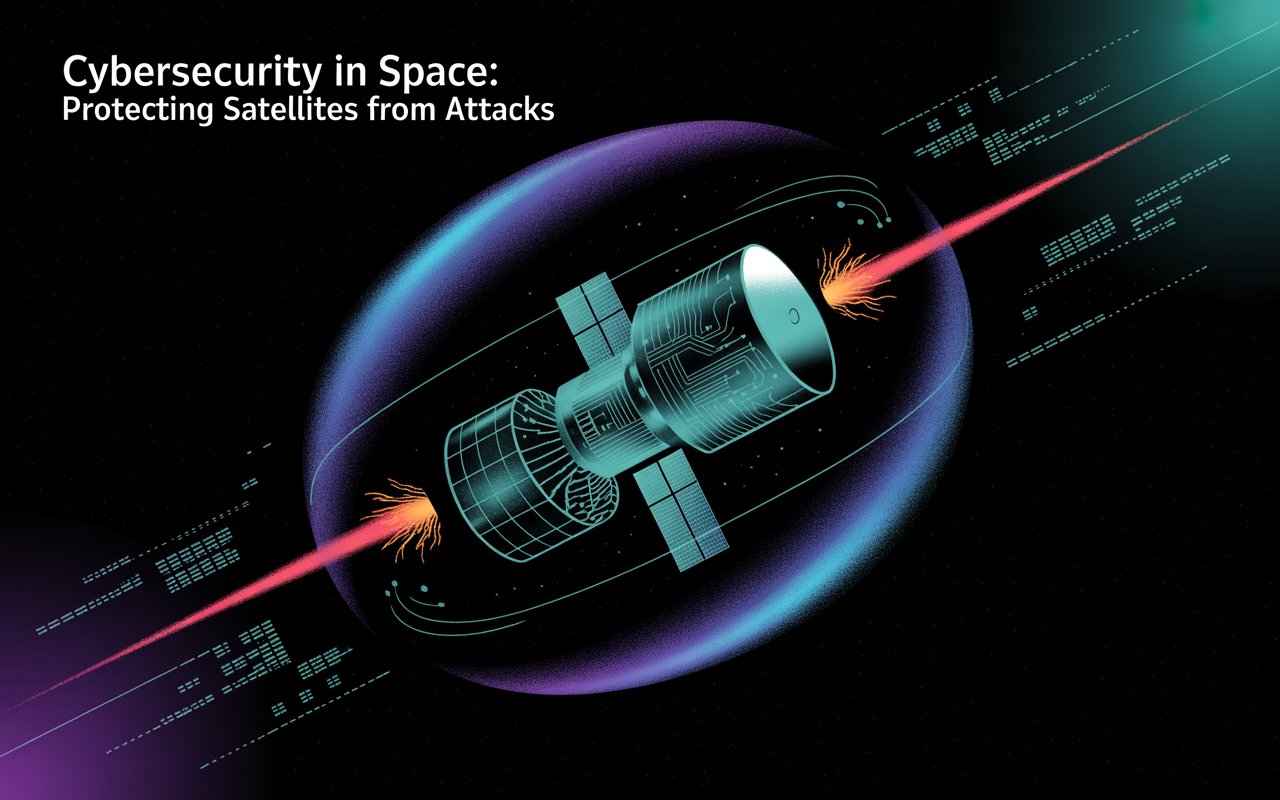
Cybersecurity in Space: Protecting Satellites from Attacks
Conclusion
Cybersecurity in space is no longer an abstract issue—it is an urgent global challenge. As satellites become the backbone of modern society, protecting them from cyberattacks requires layered defenses, international cooperation, and forward-looking strategies. The next frontier of security is not just on Earth but above it, orbiting silently in space.
Frequently Asked Questions
Why is cybersecurity in space important?
Satellites support navigation, defense, finance, and communications. A cyberattack could disrupt critical infrastructure worldwide.
What are the biggest cybersecurity threats to satellites?
Common threats include signal jamming, hacking of ground stations, supply chain attacks, and malware targeting onboard systems.
How can satellites be protected from cyberattacks?
Protection strategies include encryption, authentication, AI-driven anomaly detection, quantum-resistant cryptography, and zero-trust architecture.