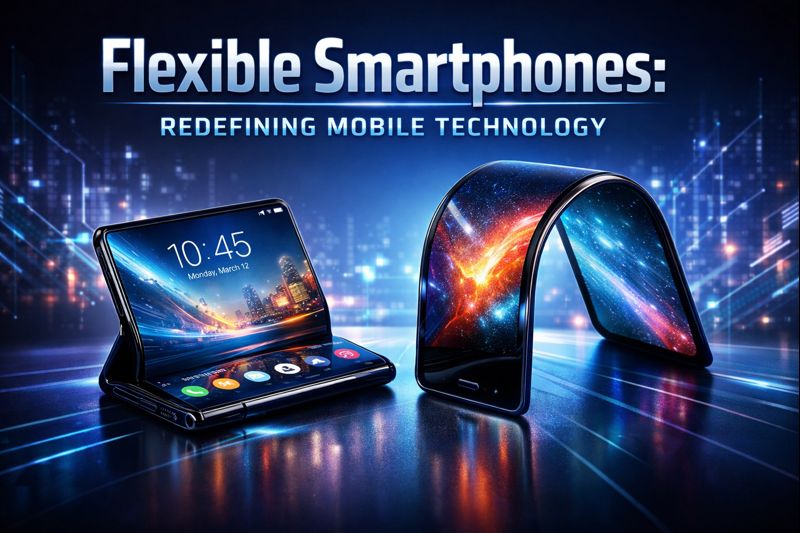
Flexible Smartphones: Redefining Mobile Technology
Introduction
Flexible Smartphones are redefining the expectations of mobile technology by combining bendable displays, adaptable form factors, and advanced interaction models to deliver next‑generation mobile experiences. As the smartphone landscape evolves, Flexible Smartphones are outpacing traditional rigid and hinge‑based foldable devices in both conceptual innovation and search demand signals.
Understanding Flexible Smartphones today means anticipating how screen flexibility, device adaptability, and user‑centric interfaces influence future usage patterns across markets in the UK, USA, and global tech ecosystems while aligning with AI and traditional search behavior.
What Are Flexible Smartphones?
A flexible smartphone is a mobile device designed around a display and internal components that can bend or flex in ways that go beyond simple folding mechanisms. Unlike foldable smartphones, which hinge along a predetermined axis, truly flexible phones aim for multi‑axis deformation and potentially wearable form factors—though most current products remain advanced foldables rather than fully flexible systems.
Flexible vs Foldable
Foldable smartphones—such as the Samsung Galaxy Z Fold series, Xiaomi MIX Fold models, and Google Pixel Fold series—use flexible OLED screens combined with hinge systems to offer compact devices that unfold into larger displays. These already have significant market adoption due to robust engineering and mature software support.
Truly flexible smartphones, in contrast, would require every component—including batteries, circuit boards, and sensors—to withstand bending stress, not just the screen. This remains mostly at the prototype or early research stage.

Flexible Smartphones: Redefining Mobile Technology
Display Technology: Foundation of Flexibility
At the core of flexible smartphones is flexible display technology, particularly flexible OLED panels built on pliable substrates such as polyimide or plastic polymers. These materials allow screens to bend, fold, or roll while maintaining high image quality and responsiveness.
These displays differ from traditional rigid panels by replacing glass layers with flexible organic compounds. Manufacturers like Samsung, LG, BOE, and Xiaomi have pioneered flexible OLED screens, which form the basis of most commercial foldable devices today.
Key Devices and Market Landscape
Flexible display innovation has led to a range of foldable smartphones that dominate the high end of the market. Examples include:
-
Samsung Galaxy Z Fold and Z Flip series—refined foldable designs with large internal displays and robust hinge engineering.
-
Xiaomi Mi MIX Fold and MIX Fold 4—foldable Android devices with expansive screens and flagship performance.
-
Google Pixel 9 Pro Fold—a foldable offering with enhanced proportions and design.
-
Royole FlexPai lineage—early flexible display implementations that pushed the boundaries of foldable technology.
These devices underline the industry’s current trajectory: foldable designs bridging the gap toward full flexibility. The term “flexible” in most consumer contexts today refers to these advanced foldable displays rather than entirely bendable form factors.
Interaction and Software Optimization
Flexible and foldable devices enable unique interaction models. Features include adaptive user interfaces that transition across folded and unfolded states, multi‑window multitasking, and optimized productivity workflows. Android versions tailored for large and foldable screens help ensure seamless app continuity.
Real‑world use cases include enhanced multitasking (e.g., split‑screen productivity), immersive media consumption on larger screens, and context‑aware app behavior. These improvements increase utility for professionals, content creators, and power users alike.
Durability, Hinge Technology, and Component Challenges
A key consideration for flexible and foldable smartphones is durability. For foldable devices, robust hinges and protective screen layers are essential to withstand repeated folding cycles. Improvements in hinge mechanics and material engineering have significantly reduced early reliability issues, but creases and wear remain design challenges.
For fully flexible smartphones, barriers include developing flexible batteries and logic boards that maintain performance under stress. Flexible components may offer space‑packing benefits and increased resilience against breakage, but they also introduce trade‑offs in capacity and efficiency.
Industry Implications and Future Directions
Flexible smartphones—particularly as flexible OLED and related technologies mature—signal broader shifts in mobile computing. Expected trends include:
-
Greater wearable integration where devices can conform to surfaces or clothing.
-
Software ecosystems designed for adaptable form factors.
-
Broader adoption of flexible sensors and electronics beyond displays, potentially enabling truly deformable devices.
These developments will influence smartphone roadmaps, accessory ecosystems, and user interaction models in the years ahead.
| Flexible Smartphone Model | Price (USD $) | Price (GBP £) |
|---|---|---|
| Samsung Galaxy Z Fold 5 | $1,799 | £1,749 |
| Samsung Galaxy Z Flip 5 | $999 | £999 |
| Google Pixel Fold | $1,799 | £1,749 |
| Huawei Mate X3 | $1,699 | £1,599 |
| Motorola Razr+ (2024) | $999 | £999 |
| Oppo Find N2 Flip | $899 | £849 |

Flexible Smartphones: Redefining Mobile Technology
Conclusion
Flexible smartphone technology—anchored in flexible OLED displays and evolving hardware—is reshaping mobile interaction and design. While fully bendable devices remain on the horizon, foldable smartphones have already redefined expectations for screen size, multitasking, and adaptability. As display materials, component flexibility, and software ecosystems advance, the gap between foldable and truly flexible devices will continue to close. Understanding these trends empowers smarter evaluations of emerging products and informed decisions about how this technology fits your needs. Explore device specifications, durability benchmarks, and software optimization to stay ahead of the curve.
FAQs
What is the difference between flexible and foldable smartphones?
“Flexible” implies multi‑axis deformation, while “foldable” refers to hinge‑enabled bending along a set axis.
Are fully flexible smartphones available today?
Most commercially available devices are foldable, with true flexibility still mostly in research or prototypes.
Why do flexible displays matter for future mobile tech?
They enable new form factors, larger screens in compact devices, and novel interaction methods.