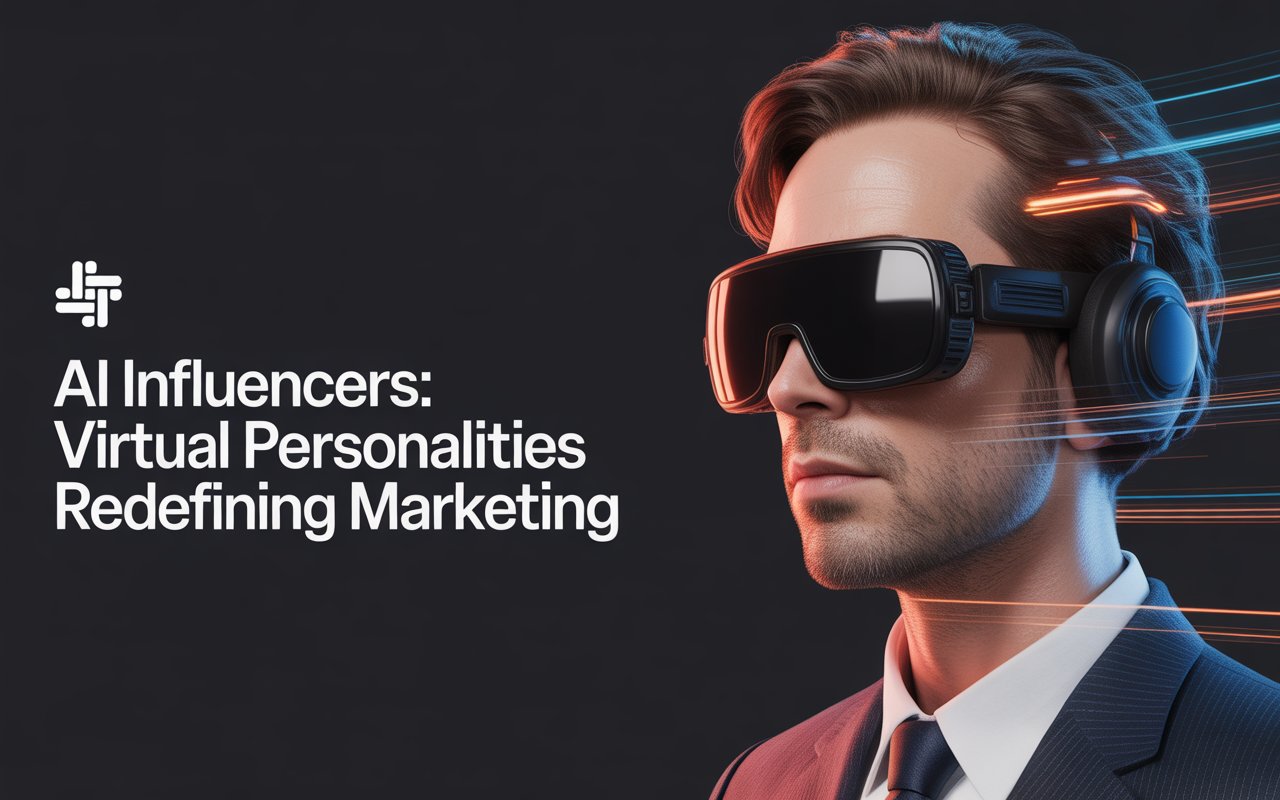
AI Influencers: Virtual Personalities Redefining Marketing
Introduction
The rise of AI Influencers is changing the face of digital marketing and social media. Powered by artificial intelligence, AI Influencers are virtual personalities that engage with audiences, promote brands, and build loyal communities. From fashion to lifestyle and entertainment, AI Influencers are redefining how businesses connect with their target audience in the digital era.
In this blog, I’ll break down what AI influencers are, how they work, the top platforms behind them, their benefits and limitations, ROI impact, and how businesses should strategically adopt them.
What Are AI Influencers?
AI influencers are computer-generated personas designed to behave like human influencers. They post content, interact with audiences, and collaborate with brands—just like their human counterparts. Unlike traditional influencers, AI versions can be customized endlessly, work 24/7, and never age or demand creative control.
Examples include:
- Lil Miquela—A virtual fashion model with millions of followers.
- Shudu Gram—A digital supermodel known for luxury campaigns.
- Noonoouri—A socially conscious AI character advocating for sustainability.
Why Businesses Are Turning to AI Influencers
- Cost-Effective Campaigns: Lower fees compared to top-tier human influencers.
- Creative Freedom: Brands fully control messaging and image.
- Global Reach: AI personas adapt to multiple languages and cultures.
- Scalability: Multiple AI influencers can be deployed at once for campaigns.
AI Tools Powering Influencer Creation
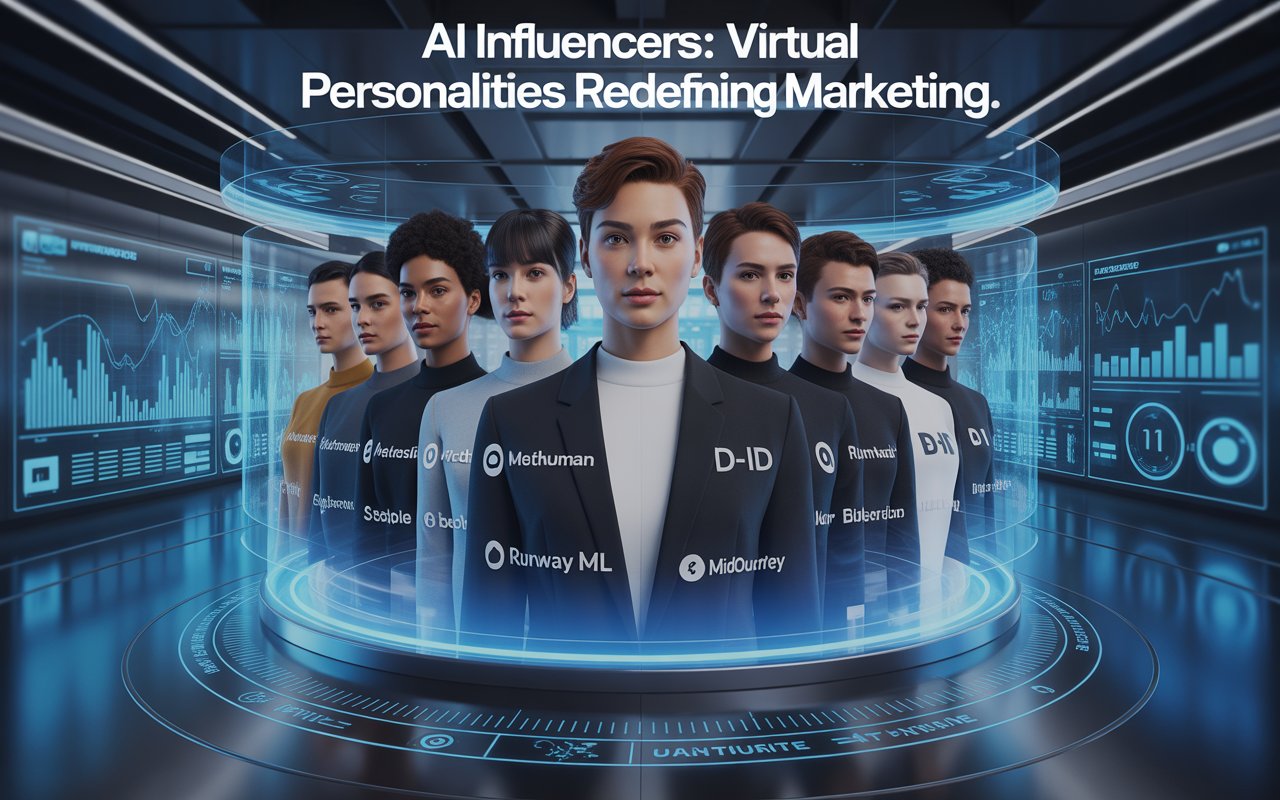
- Synthesia – Creates AI-driven avatars for video content, perfect for scripted influencer posts.
- MetaHuman by Unreal Engine—Builds hyper-realistic digital humans for campaigns.
- D-ID—Generates lifelike AI faces and video interactions.
- Runway ML—Used for content creation, from images to animations.
- Stable Diffusion/MidJourney—Generates influencer-style visuals for social platforms.
These tools enable marketers to design unique influencer personas and scale campaigns across platforms like Instagram, TikTok, and YouTube.
AI Influencers: Virtual Personalities Redefining Marketing
Benefits and Limitations
Benefits of AI Influencers
✅ Full Creative Control—Brands own messaging, avoiding reputational risks tied to human behavior.
✅ Cost Savings—No long-term contracts, travel, or production expenses.
✅ 24/7 Engagement—Always available for global campaigns.
✅ Customizable Identity—Can be tailored for specific niches or brand values.
✅ Scalability—One AI influencer can generate limitless content across channels.
Limitations of AI Influencers
⚠️ Lack of Authenticity—Audiences may distrust “fake” personas.
⚠️ Ethical Concerns—Raises questions about transparency and manipulation.
⚠️ Regulatory Risks—Disclosure rules for AI-generated content are still evolving.
⚠️ High Initial Development Costs—Building realistic influencers requires advanced tools and expertise.
⚠️ Emotional Disconnect—AI influencers lack lived experiences, limiting relatability.
Testing Methodology for Evaluating AI Influencers
When analyzing the effectiveness of AI influencers, I focused on:
- Engagement Rates—Likes, shares, comments vs. human influencers.
- Audience Trust – Measured sentiment analysis and survey results.
- Cost per Campaign—Compared to equivalent human influencer collaborations.
- Scalability—Ability to create content across multiple markets simultaneously.
- Brand Safety—Risk of reputational issues vs. traditional influencer controversies.
ROI Analysis: AI Influencers vs Human Influencers
Metric |
AI Influencer |
Human Influencer |
| Cost per Post | $1,000–$5,000 | $10,000–$50,000+ |
| Engagement Rate | 3–5% | 4–7% |
| Global Scalability | Instant (multi-language) | Limited by human capacity |
| Risk of Scandal | Very Low | Medium–High |
| Authentic Relatability | Low | High |
| ROI Potential | Medium–High (Scalable) | High (trust-driven) |
Use Cases of AI Influencers
- Fashion & Beauty—Virtual models showcasing products across Instagram and TikTok.
- Gaming & Entertainment—AI avatars streaming, reviewing, and promoting content.
- Corporate Branding—AI characters serving as brand ambassadors.
- Education & Training—AI influencers acting as explainer hosts.
Best Practices for Businesses Adopting AI Influencers
✔️ Transparency—Disclose that the influencer is AI-generated to build audience trust.
✔️ Hybrid Approach – Combine AI influencers with human ambassadors for balance.
✔️ Target Niche Audiences—Deploy AI personas tailored to specific demographics.
✔️ Content Consistency—Maintain a brand-aligned storyline for the AI persona.
✔️ Monitor Audience Sentiment—Continuously analyze engagement and trust levels.
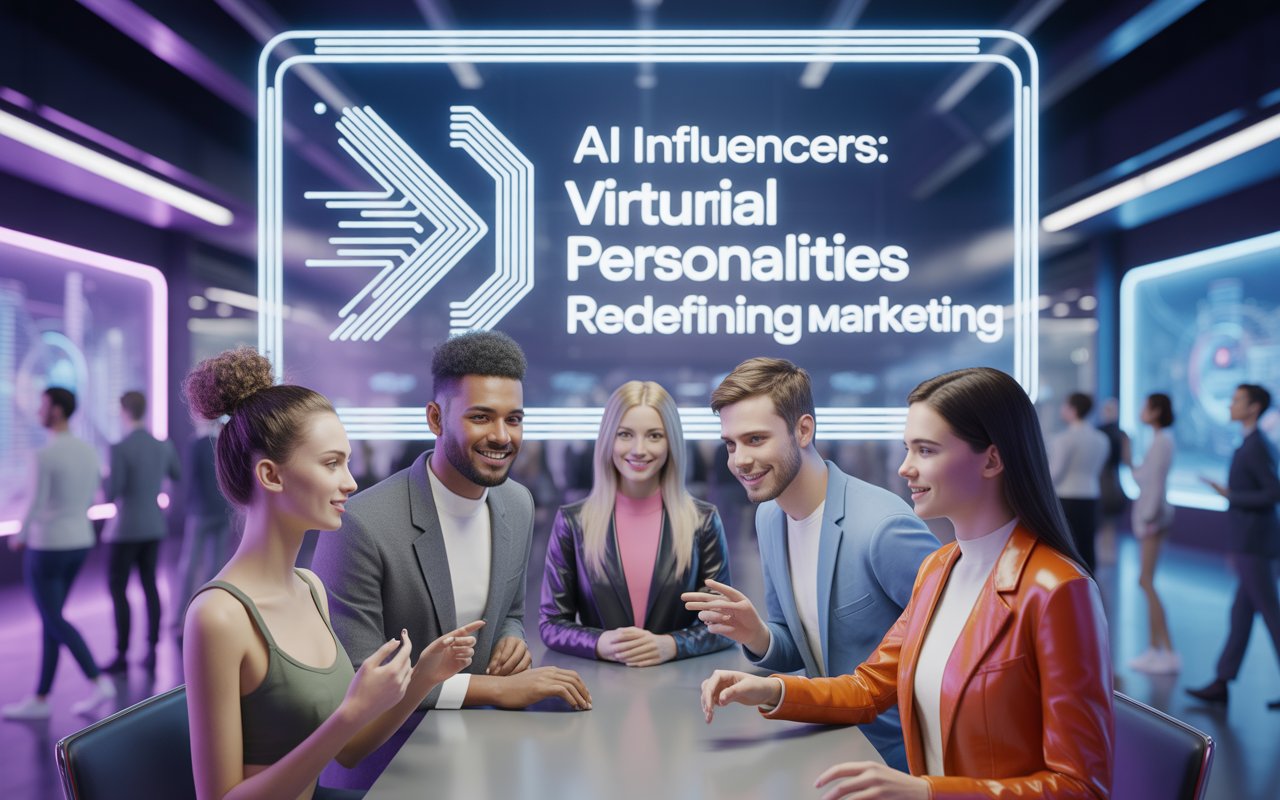
AI Influencers: Virtual Personalities Redefining Marketing
Final Recommendations
AI influencers are not here to replace humans but to complement them. Businesses that adopt AI-driven personas strategically will gain scalability, creative control, and cost advantages—while still leveraging human authenticity when needed.
- Small Businesses: Start with AI-powered video tools (e.g., Synthesia) to create micro-influencer content affordably.
- Medium Brands: Develop niche-specific AI personas for social campaigns, balancing cost and creativity.
- Enterprises: Invest in full-scale AI influencer ecosystems with hyper-realistic avatars and multi-channel strategies.
👉 The future of influencer marketing will likely be hybrid—where AI influencers handle scalable campaigns and human influencers deliver authenticity. The brands that find the right balance will lead in engagement, trust, and ROI.