Computer Security Threats: What You Need to Know
Introduction
In today’s digital world, Computer Security Threats are becoming more advanced and harder to detect. From malware to phishing attacks, Computer Security Threats put sensitive data, privacy, and business operations at constant risk. Understanding Computer Security Threats is the first step to building strong defenses and ensuring online safety. With the rise of remote work, cloud computing, and mobile devices, the need for effective cybersecurity measures has never been greater.
Being aware of these risks helps individuals and organizations prepare strategies, adopt protective tools, and strengthen overall digital resilience.
Why Computer Security Threats Matter
-
Protects personal and financial data from theft
-
Shields businesses from costly breaches and reputational loss
-
Reduces fraud and identity risks
-
Builds safer online experiences for everyday users
Common Computer Security Threats
People in the UK and USA frequently face these well-known dangers:
-
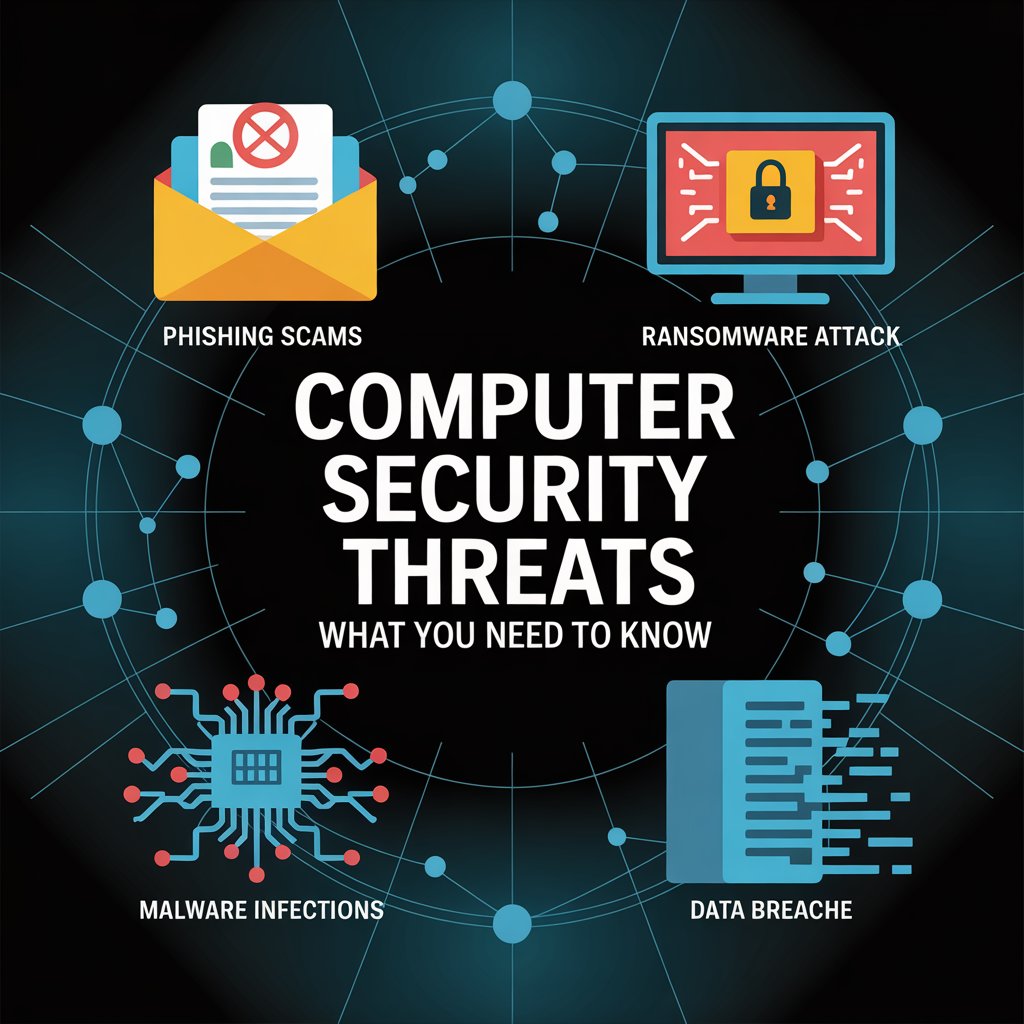
Phishing scams tricking users into sharing sensitive details
-
Ransomware attacks that keep files secured until payment is completed
-
Malware infections spread through downloads or unsafe sites
-
Data breaches exposing confidential records
Computer Security Threats: What You Need to Know
Unusual Threats You’ve Probably Never Heard Of
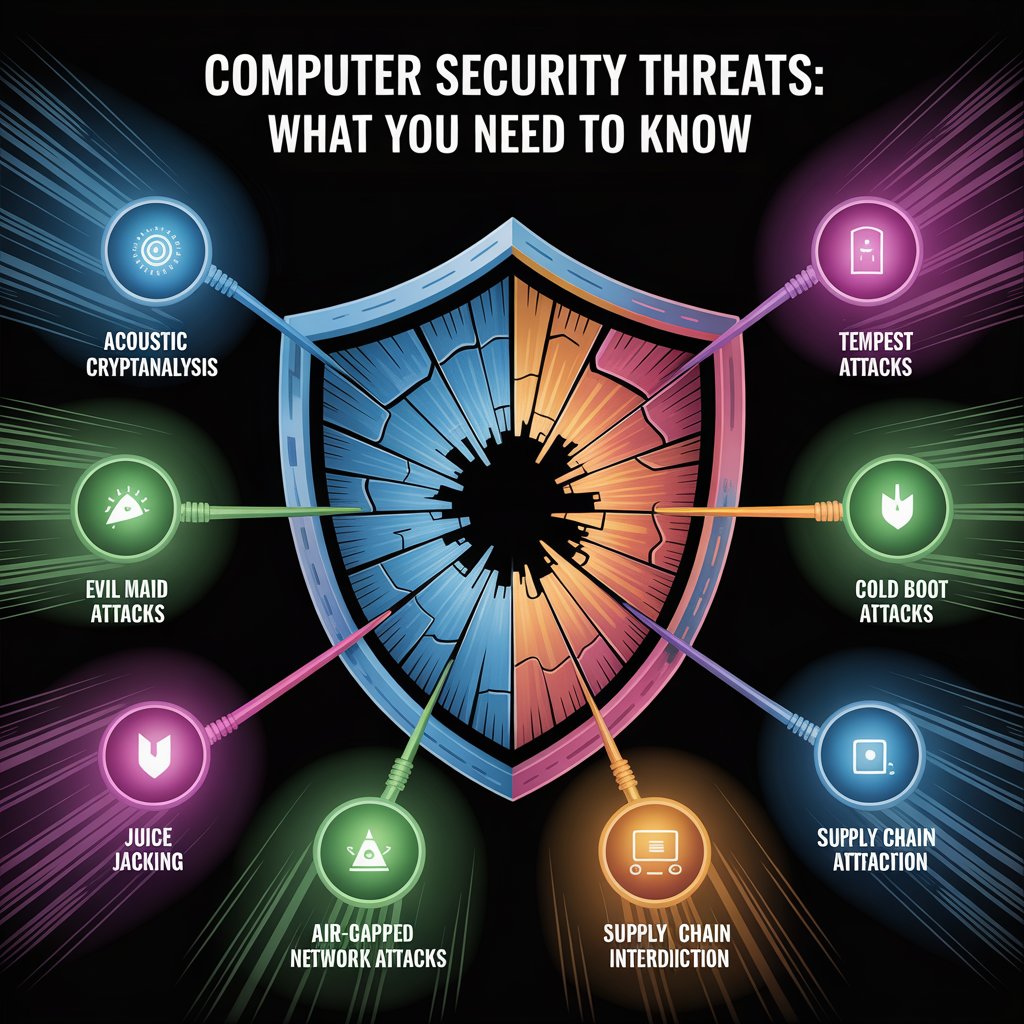
Acoustic Cryptanalysis
Hackers can record the sound of keystrokes to steal passwords.
Defense: Play background noise or disable microphones when typing sensitive data.
TEMPEST Attacks
Devices emit electromagnetic signals that attackers can capture to reveal screen activity.
Defense: Use shielded equipment and test for leakage in secure areas.
Evil Maid Attacks
Brief physical access to a device, such as in a hotel, can lead to full system compromise.
Defense: Encrypt drives and use tamper-evident seals.
Cold Boot Attacks
Attackers freeze memory chips to recover encryption keys.
Defense: Use hardware with memory encryption and auto-wipe features.
Juice Jacking
Public USB charging ports can secretly steal data or install malware.
Defense: Carry power banks or use data-blocking adapters.
Air-Gapped Network Attacks
Even offline systems can leak data through light, heat, or radio signals.
Defense: Restrict removable media use and monitor physical environments.
Supply Chain Interdiction
Devices may be compromised during shipping with hidden implants.
Defense: Buy from trusted suppliers and verify new equipment.
Computer Security Threats: What You Need to Know
Benefits of Strong Protection
-
Confidence when banking, working, or shopping online
-
Lower risk of personal and financial damage
-
Better resilience against evolving attack methods
-
Greater trust for businesses handling customer data
Challenges in Combating Computer Security Threats
-
Constantly evolving attack methods
-
Human mistakes remain a weak link
-
Security tools often require investment and updates
-
Balancing ease of use with strong protection
Conclusion
Computer security threats range from common phishing scams to advanced techniques like TEMPEST or acoustic spying. For users in the UK and USA, awareness and proactive defenses are critical. By combining technology, smart practices, and vigilance, both individuals and businesses can stay safer in a digital-first world. The key is not just knowing the risks but actively preparing for them.
Recommendation
Begin with simple steps: use strong, unique passwords, enable two-factor authentication, and keep all devices updated. Avoid risky behaviors like using public charging stations or leaving laptops unattended. For businesses, invest in staff training, secure backups, and trusted suppliers. Treat every threat—whether common or unusual—as a potential risk, and layer your defenses to reduce exposure. With steady attention, you can build stronger protection against even the most unexpected computer security threats.
FAQs
1. What are the most common computer security threats?
Phishing, malware, ransomware, and data breaches are the most frequent risks.
2. What are some unusual threats most people don’t know about?
Acoustic cryptanalysis, juice jacking, and supply chain interdiction are lesser-known examples.
3. How can I protect myself from computer security threats?
Update devices regularly, use strong passwords, and enable multi-factor authentication.