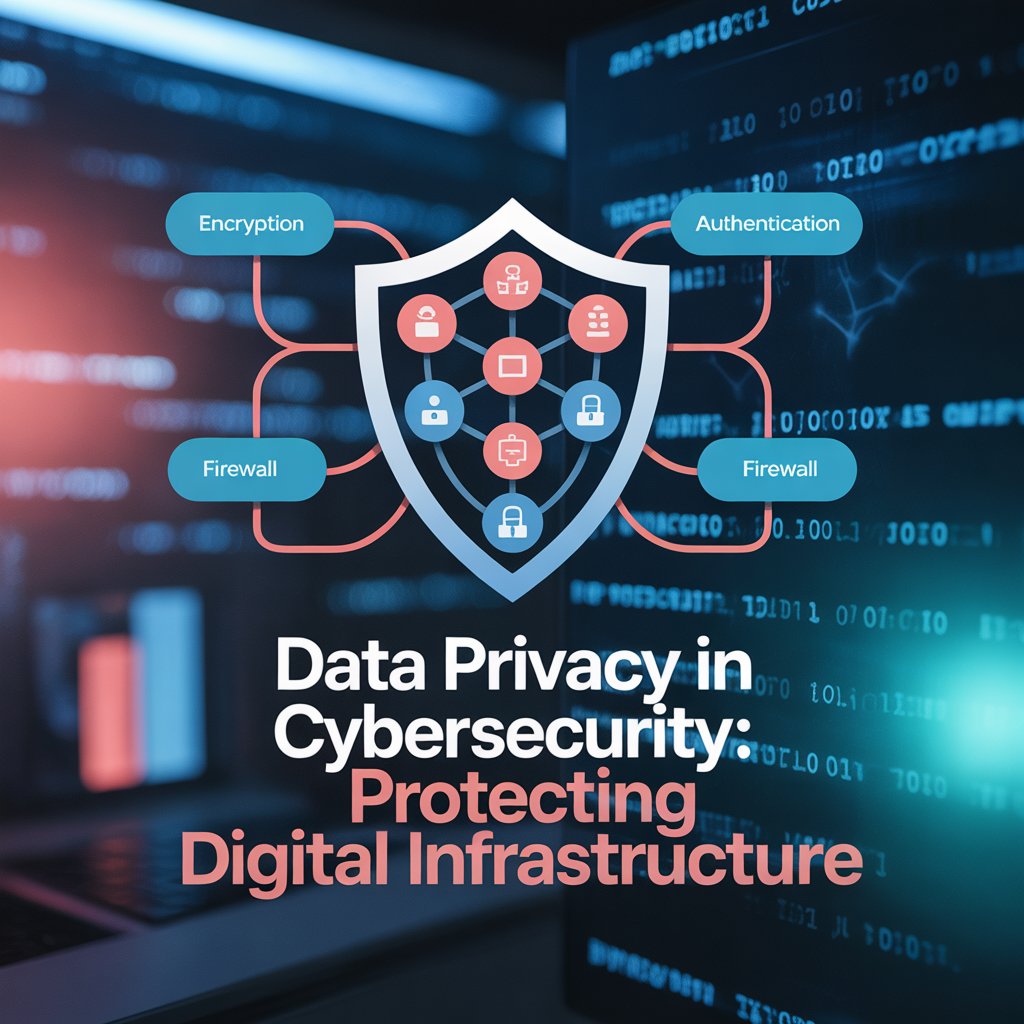
Data Privacy in Cybersecurity: Protecting Digital Infrastructure
Introduction
In today’s digital era, data privacy in cybersecurity has become a critical concern for individuals and organizations alike. Protecting sensitive information from unauthorized access, breaches, and misuse is the cornerstone of effective data privacy in cybersecurity practices.
As cyber threats continue to evolve, prioritizing data privacy in cybersecurity is essential for maintaining trust, compliance, and the overall security of digital systems.
Data Privacy Fundamentals
- Core Principles: Ensure confidentiality, integrity, and availability of personal and system data.
- Legal Frameworks: Regulations govern the collection, storage, and sharing of personal information, including consent and transparency rules.
- Urban Environment Risks: Interconnected systems can expose location, biometric, and behavioral data if not secured.
- Balance of Functionality and Anonymity: Minimize personal data collection while maintaining system performance.
Data Privacy in Cybersecurity: Protecting Digital Infrastructure
Smart City Data Privacy Challenges and Solutions
- Sensor Networks & Citizen Surveillance: IoT devices monitor traffic, utilities, and public spaces and prevent misuse.
- Municipal Data Sharing: Consent management protocols ensure ethical interdepartmental data flow.
- Resident Information Protection: Traffic, energy, and utility data must remain anonymous to safeguard privacy.
- Transparency Requirements: Authorities should disclose data collection, usage, and retention practices.
Intelligence and Urban Mobility Privacy Protection
- Location Tracking Safeguards: Transportation apps use opt-in and anonymized tracking for route optimization.
- Biometric Security: Public transit systems encrypt fingerprints and facial recognition data.
- Data Minimization: Collect only essential information for service efficiency.
- Cross-Platform Coordination: Mobility providers align privacy policies when sharing data across applications.
- Anonymous Payment Systems: Tokenized payments protect user identity in transportation services.
Marine Mobility Data Security
- Vessel Tracking Protection: GPS and AIS data encrypted to prevent unauthorized tracking.
- Port Security Systems: Personal information and access logs handled securely.
- Maritime Communication Privacy: End-to-end encryption ensures safe communication between vessels and port authorities.
Social Media Platform Privacy Vulnerabilities and Defenses
- Data Monetization Transparency: Users are informed about how personal information funds advertisements.
- Third-Party Integration Controls: Apps and plugins adhere to strict privacy standards.
- Content Moderation: Personal data exposure prevented during image, video, and post review.
- Cross-Platform Data Sharing: Limit unnecessary sharing between platforms to reduce risk.
Video and Call Leak Prevention
- End-to-End Encryption: Protect sensitive calls and multimedia communications.
- Secure Storage Protocols: Encrypt stored content on devices and servers.
- Access Control: Use role-based permissions to limit unauthorized access.
- Incident Response: Rapid procedures for breach detection, containment, and notification.
- User Education: Teach secure sharing, password management, and phishing awareness.
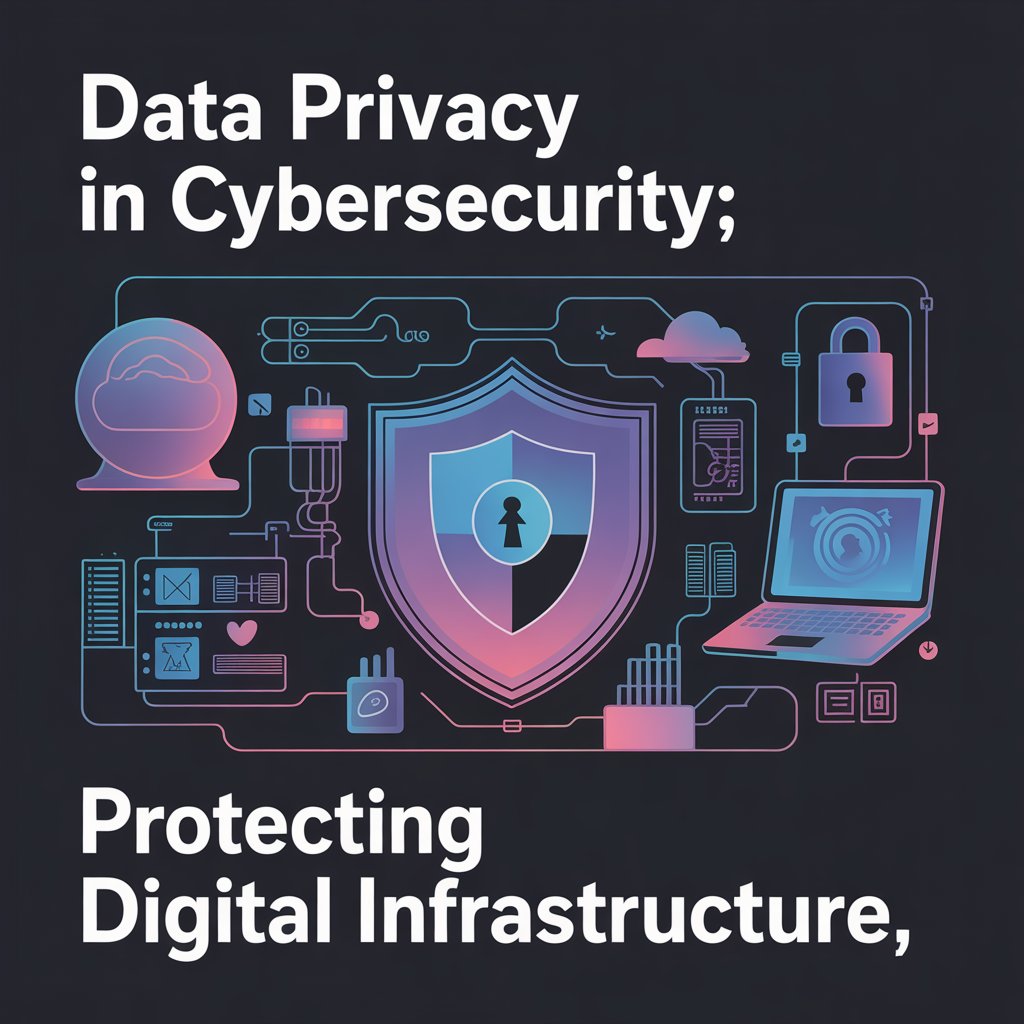
Data Privacy in Cybersecurity: Protecting Digital Infrastructure
Conclusion
Protecting data privacy in cybersecurity is essential for smart cities, transportation networks, marine mobility, and social media platforms. Implementing robust encryption, data minimization, and access control safeguards personal information while supporting functionality and trust. Organizations that embed privacy by design, maintain transparency, and educate users can prevent leaks, strengthen resilience, and ensure compliance with regulations across the UK and USA.
Recommendations
- Conduct Regular Privacy Audits: Identify vulnerabilities in connected systems.
- Adopt Privacy by Design: Integrate security measures into software, hardware, and operations from the start.
- Use Advanced Security Tools: Encryption and access control to safeguard data.
- User Awareness Programs: Train users to prevent accidental data leaks and phishing attacks.
- Establish Incident Response Teams: Quickly detect, contain, and notify stakeholders about breaches.
Frequently Asked Questions
Why is data privacy important in smart cities?
Protects residents’ personal information from unauthorized access while enabling efficient city services.
How can social media platforms prevent data leaks?
Implement strong encryption, control third-party apps, and monitor content for sensitive information.
What steps can users take to protect video and call data?
Use end-to-end encryption, secure storage, and strong passwords, and avoid sharing sensitive files on untrusted networks.